
Life is full of unexpected moments. Whether it’s an small event, an emergency, a major life transition, or simply preparing for the future, having a “Grab and Go” Folder can save you and your loved ones time, stress, and heartache.
It’s a powerful way to organize everything that matters most—clearly, securely, and thoughtfully.
This folder gathers your essential documents, critical information, and personal wishes all in one place.
Think of it like a safety measure as you would your First Aid Kit.
If you have a Grab and Go folder there, you are less likely to use it, Murphy’s law and all. However, should the proverbial hit the fan, then you’ve got it ready for those ‘just in case’ scenarios.

What To Include In Your “Grab and Go” Folder
(1). Personal Identification Documents/cards/certificates
Documents that verify who you are and are often required in emergencies, such as:
- Birth certificates
- Passports
- Driver’s licenses
- Identification cards
- Health Care cards
- Concession cards
- Student Cards
- Marriage documents
- Divorce papers
- Adoption documents (if applicable)
It is also handy to have an extra photocopy of each one of these cards/documents inside this folder
(2). Medical Information
In an emergency, having your medical details available is vital. Note this information down on a sheet and review it quarterly in case circumstances change eg. new doctor details.
Include the following:
Health insurance cards
List of doctors and contact details
List of specialists and contact details
Medical history summary (conditions, surgeries, allergies)
Current medications list
Health care proxy or medical power of attorney
Living will or advance directives
Organ donor information
If you go travelling, this information kept in your travel documents and given to a friend/family number is also very handy.

(3). Financial Information
If you are using your “Grab and Go” Folder, then access to money and your financial information will be imperative.
For example, if you find yourself in a natural disaster, time will be of the essence and your advanced planning will enable you to function outside of the home and support yourself and loved ones if necessary.
Have a concise document which allows you to see and access your financial details in either a hard copy format or via an accessible drive/cloud. Having both options is ideal.
Details to include are as follows:
Bank account information
Investments
Superannuation and retirement accounts
Mortgage documents , titles
Lease agreements
Credit card details
Loan account details
Tax returns
Employment and salary information
- Resume
Insurance policies (contents, life, health, home, car/auto, disability)
(4). Family & Household Information
Keeping you and your loved ones connected is important.
Including any other contact details you may require. If there is a network outage or your phone cannot be charged or inaccessible, it’s fundamental to have contact details in hard copy form.
Details to include are as follows:
Emergency contact list
Utility account details (electricity, water, gas, internet)
Home and vehicle insurance information
Vehicle titles and maintenance records
Pet care information
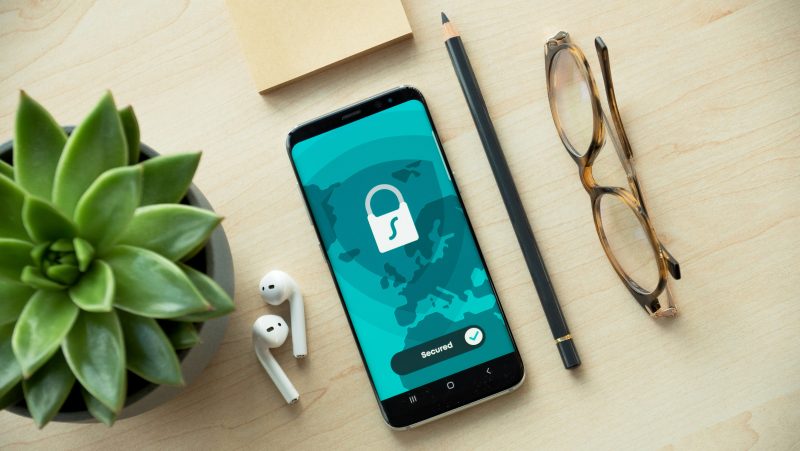
(5). Digital Life
We exist in a world where nearly everything is digital. Access to finances and accounts, communication, information sources is how we live our lives today.
Be sure to note down the following online information in your “Grab and Go” folder:
Master list of passwords (or access to your password manager)
List of social media accounts, websites, and digital assets
- Business websites access details
(6). Future and Estate Planning Documents
Ensuring that you have the following documents will enable any significant events to be dealt with a lot easier.
Be sure to include:
Will and Testament
Trust documents
Financial and Medical Powers of Attorney
Beneficiary designations
A personal letter of instructions for loved ones
Personal letters to family
Funeral or memorial wishes
Special notes about sentimental items
List of favourite charities or donation preferences
(7). Extras for Peace of Mind
A few family photos
Backup keys (home, safe, car)
Small emergency cash fund ($100–$300)
- A spare favourite toy or comforter for your child
Final Tips:
Organize your binder with clear dividers and labels.
Store it in a fireproof and waterproof safe and let a trusted loved one know where it is.
Review and update it every year to keep everything fresh and accurate.
With a “Grab and Go” Folder, you’re ensuring that no matter what happens, you and your loved ones will have access to everything that is important.